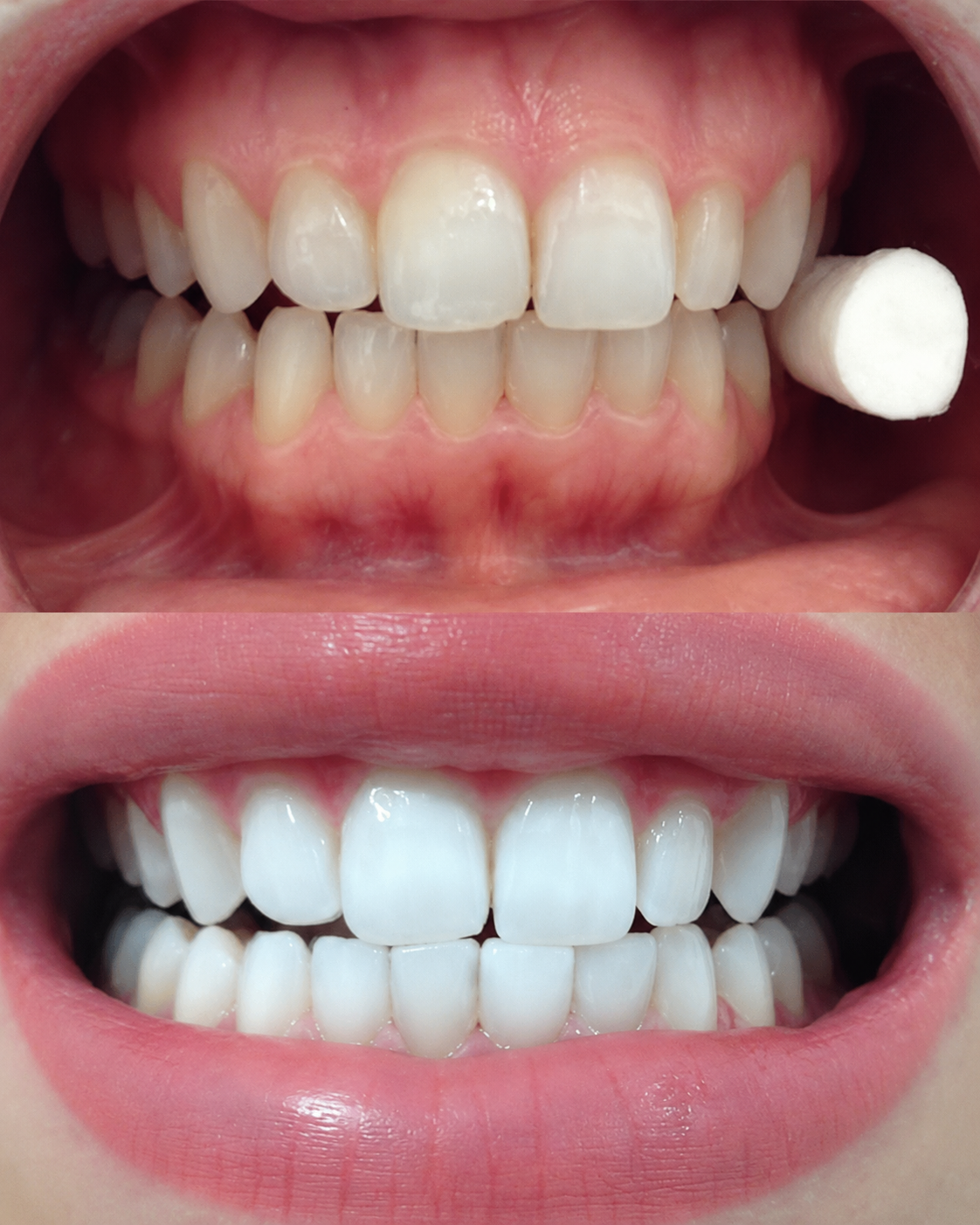
Bridges and crowns can help restore the appearance and function of your teeth. A crown fits over a tooth to protect or rebuild it when it has been weakened or significantly damaged. A bridge can replace one or more missing teeth by using support from neighbouring teeth or dental implants, depending on the design and your clinical needs.
The most suitable option depends on the condition of your teeth, your bite and your wider oral health.
Your dentist will assess your smile and explain the options, including the preparation involved, the expected benefits and how to care for the restoration. The aim is to find an approach that works for your needs and supports comfortable everyday function.
Crowns cover and restore damaged or weakened teeth, while bridges replace missing teeth using support from neighbouring teeth or implants, depending on the design.
These restorations may help improve chewing function and the appearance of your smile when clinically appropriate. Your dentist will assess the tooth or gap and explain the benefits and limitations of the options that may suit your needs.
Restorations are planned around your mouth, tooth position, bite and appearance preferences. Your dentist can explain the materials available and how the design may affect the look and function of the final restoration.
The recommended approach will also depend on the health of the supporting teeth and gums, the amount of remaining tooth structure and the space available.

For a crown, the tooth is prepared and a scan or impression is taken. A temporary restoration may be fitted while the final crown is made. For a bridge, the supporting teeth or implants are assessed and prepared as needed. Appointment numbers vary.
Once the crown or bridge is fitted, your dentist will check its fit, comfort and bite, making any necessary adjustments. They will also explain how to care for your restoration and keep the surrounding teeth and gums healthy. Regular dental check-ups can help ensure your restoration continues to function as intended.
A crown covers and restores a tooth. A bridge replaces missing teeth by attaching to supporting teeth or implants.
This depends on the restoration, laboratory process and your clinical needs.
Local anaesthetic is used when needed. Temporary sensitivity or gum tenderness may occur afterwards.
The restoration is shaped and shaded to suit your mouth. Your dentist will discuss realistic expectations.
Lifespan varies with oral hygiene, bite, materials and other factors. Regular care helps identify problems early.
Brush twice daily, clean between teeth and use any bridge-cleaning aids recommended by your team.
Yes. Ask for a written plan explaining the restoration, alternatives and costs before deciding.